
un security council »
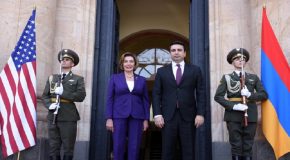
NANCY PELOSI’S TEARS OR TO UNDERMINE THE PEACE PROCESS IN THE CAUCASUS FOR THE SAKE OF DOMESTIC POLITICAL INTERESTS
As it is known, in 2020, the Azerbaijani Armed Forces ended the Armenian occupation which lasted for almost 30 years in Azerbaijani territory with the Iron Fist Operation. Azerbaijan resorted to this military option
Read More »
UPA STRATEGIC AFFAIRS DERGİSİNİN ÜÇÜNCÜ CİLT İKİ NOLU SAYISI YAYIMLANDI
Uluslararası Politika Akademisi (UPA) ekibince hazırlanan ve yayın hayatına 2020 yılında başlayan UPA Strategic Affairs adlı uluslararası hakemli akademik e-derginin 3. cilt 2 nolu sayısı yayımlandı. Birçok Türk ve yabancı akademisyenin editör, hakem ve
Read More »
BRITISH FOREIGN SECRETARY DOMINIC RAAB VISITED CYPRUS
Introduction British (United Kingdom/UK) Foreign Secretary (Secretary of State for Foreign, Commonwealth, and Development Affairs) Dominic Raab visited Cyprus on February 4, 2021 Thursday. Raab met with the Cypriot leaders (Cyprus Republic/South Cyprus Greek
Read More »
NAGORNO-KARABAKH CONFLICT IN THE CAUCASUS
The conflict between Azerbaijan and Armenia over Nagorno-Karabakh remains to be one of the most controversial issues of the twentieth century. Although the Versailles Peace Conference recognized Nagorno-Karabakh as part of the Azerbaijan Democratic
Read More »
ARMENIAN FOREIGN POLICY’S DEFEAT AT MUNICH
The annual Munich Security Conference held a significant session for South Caucasia this year on February 15th 2020. As part of the 56th Munich Security Conference, Armenian Prime Minister Nikol Pashinyan and President of
Read More »
WHY THE WORLD IS BIGGER THAN FIVE?
Turkish President Recep Tayyip Erdoğan began to use the slogan “The world is bigger than five” (Dünya beşten büyüktür) in his international speeches in the last few years. The slogan was first used by
Read More »
SOME THOUGHTS ON TURKEY’S MILITARY OPERATION TOWARDS SYRIA
Introduction Turkey’s Operation “Peace Spring” (Barış Pınarı) was initiated by Turkish Armed Forces (TAF) on October 9, 2019 upon the decision taken by Turkish President Recep Tayyip Erdoğan. Accordingly, on Wednesday, starting from 4.30
Read More »
PREPARING FOR PEACE: IS ARMENIA READY?
The outcomes of the talks between the Azerbaijani and Armenian foreign ministers in Paris have received widespread media attention recently. Politicians, representatives of international organizations, experts and analysts are assessing the Paris meeting. What
Read More »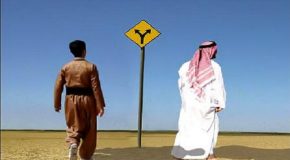
WILL TURKEY INTERVENE IN NORTHERN IRAQ?
Introduction Turkey’s reaction against the independence referendum that will be held on September 25, 2017 in Kurdistan Regional Government of Northern Iraq is getting tougher day by day. Turkish President Mr. Recep Tayyip Erdoğan
Read More »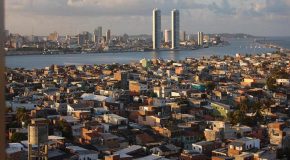
CHARACTERISTICS OF DEVELOPING COUNTRIES
Introduction Various terms have been employed in order to define developing countries.[1] Using Alfred Sauvy’s terminology, “Third World” (tiers monde)[2] was a very popular term in defining developing countries during the Cold War. “Non-alignment”
Read More »