
Introduction
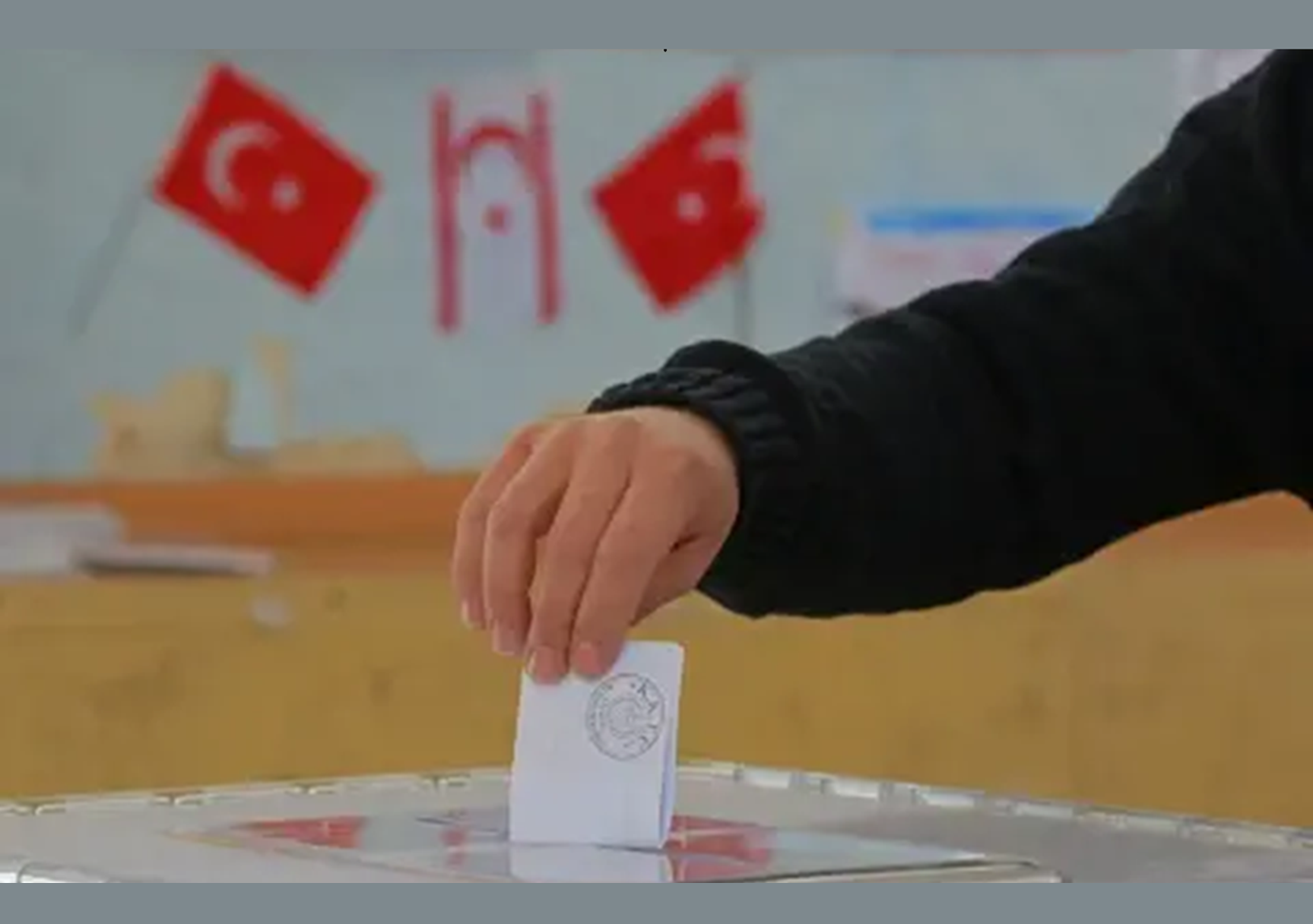
In the Turkish Republic of Northern Cyprus (TRNC), a de facto country recognized only by Türkiye (Turkey), where the victory of the pro-federal solution social democratic Republican Turkish Party (CTP) candidate, lawyer Dr. Tufan Erhürman, in the 2025 presidential election sent strong signals towards a return to Cyprus negotiations, the people will go to the polls on December 6th for local and general elections. The results of these elections will serve as a critical test, both in determining the prevailing approach to the Cyprus Conflict (continuing negotiations for a federal solution or insisting on a two-state solution) and in understanding the Turkish Cypriot people’s attitude towards the right-wing coalition that has been in power since 2022. This article will examine the 2026 TRNC elections.
Internal Politics of the TRNC from 2022 to the Present
As you may recall, in the 2022 TRNC general elections, the pro-Türkiye, nationalist/right-wing National Unity Party (UBP), led by Faiz Sucuoğlu and continuing the Rauf Denktaş tradition, won 24 out of 50 seats in the TRNC Parliament with 39.54% of the vote, achieving a significant electoral victory during Ersin Tatar’s presidency. The Republican Turkish Party (CTP), on the other hand, led by the current President Tufan Erhürman, showed a strong performance with 32% of the vote, but remained at 18 seats, assuming the role of the main opposition party. Among other parties, the center-right Democratic Party (DP), led by Fikri Ataoğlu, won 3 seats with 7.41% of the vote; the centrist People’s Party (HP), led by the academician Kudret Özersay, won 3 parliamentary seats with 6.68% of the vote, and the nationalist-conservative Renaissance Party (YDP), led by theologian and academic Dr. Erhan Arıklı and backed by Turkish immigrants, won 2 parliamentary seats with 6.39% of the vote.
Following these results, a new government was formed under the leadership of UBP leader Faiz Sucuoğlu, who emerged victorious from the election, with a UBP-DP-YDP coalition that easily secured a parliamentary majority (29/50). However, amid rising public discontent stemming from economic problems in Türkiye (which has consistently supported the TRNC), corruption allegations in the TRNC media, and other social problems arising from the country’s lack of international recognition, the Sucuoğlu government resigned, and Ünal Üstel was elected in its place. According to some local observers, the perception that Türkiye played a role in the overthrow of the Sucuoğlu government has caused the UBP to lose prestige among Turkish Cypriot voters. Moreover, the Üstel government also failed to develop a concrete solution to the Cyprus Conflict and the ongoing economic difficulties, and was further weakened by corruption allegations.
It is important to remember at this point that the country, divided since 1974, has seen some border crossings open in the north-south direction, and in recent years, a large number of Turkish Cypriot citizens have received education/employment in the Greek Cypriot Administration (the Republic of Cyprus officially), and even nationalist politicians, including President Ersin Tatar, hold Cyprus passports. This unique political landscape, influenced by the Greek Cypriot side’s status as a member of the European Union (EU) and its more economically developed economy, is increasingly gaining momentum towards a federal solution. This situation does not pose a significant obstacle or prompt a reaction from Türkiye; in fact, obstacles to further tightening of border crossings generally originate from the Greek Cypriot side. Understanding this is crucial because the Turkish Cypriot people, aware that there will be no positive developments towards a two-state solution in the foreseeable future, support the federation thesis in Cyprus not out of resentment towards Türkiye or a lack of Turkish/Muslim identity, but to achieve a final and internationally approved status. Because if the Greek Cypriot intransigence is broken, this is the only more viable solution model.
2026 Elections: General and Local Elections Together
Following the record-breaking victory of CTP candidate Tufan Erhürman in the 2025 presidential elections, the political climate in the TRNC changed, and hopes for a federation thesis began to strengthen again. In this environment, despite the coalition government having the support of Türkiye and Prime Minister Ünal Üstel frequently meeting with Turkish President Recep Tayyip Erdoğan and other high-ranking Turkish statesmen, the Turkish Cypriot people, convinced that no positive outcome towards a two-state solution is possible in the near future, continued to gravitate towards the CTP. With the government’s announcement that local and general elections will be held together on December 6th, the election campaign officially kicked off, and the party entering the elections with the most ambition in this environment is naturally the social democratic CTP.
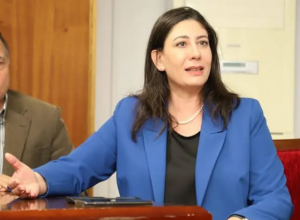
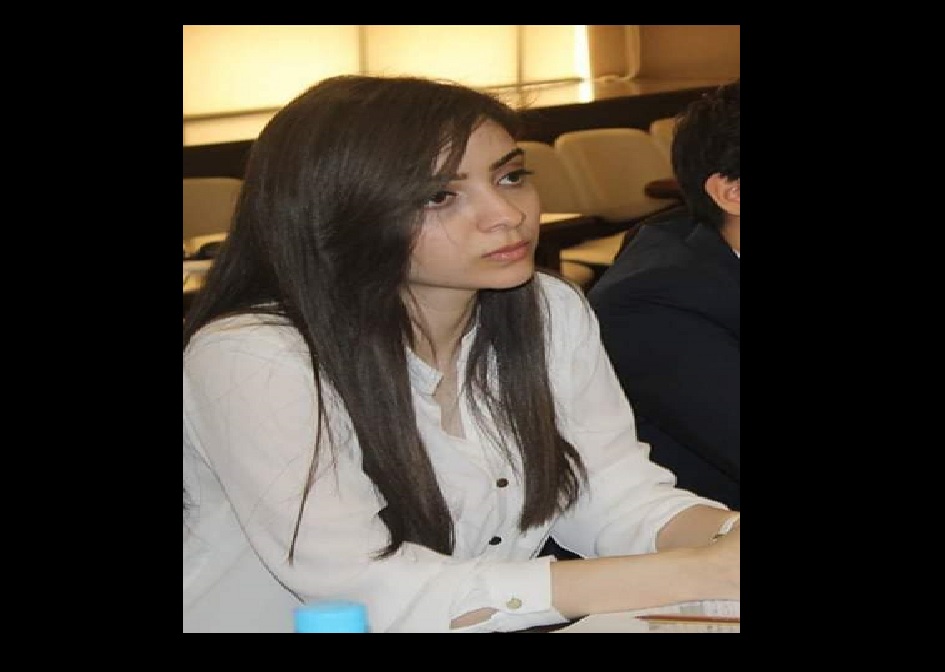
Sıla Usar İncirli
The Republican Turkish Party (CTP), which recently elected Sıla Usar İncirli as its leader/chair, has long been positioned on the left wing of Turkish Cypriot politics, advocating for a federal solution and clean politics on the island, and representing a European perspective. While in the past, influenced by Greek Cypriot leftists and AKEL, the CTP had a more anti-Western and anti-imperialist stance, the rise of the green wing within its ranks over the red wing has led to a more Europeanized, environmentally conscious, and pro-EU stance in recent years. Having previously elected their first female Prime Minister Sibel Siber in 2013, Turkish Cypriots may support the CTP in this election, potentially making İncirli their second. While criticizing the current administration, İncirli promises to conduct a census, increase security measures, and work towards a solution to the Cyprus Problem as soon as she is elected.
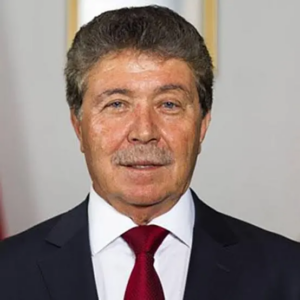
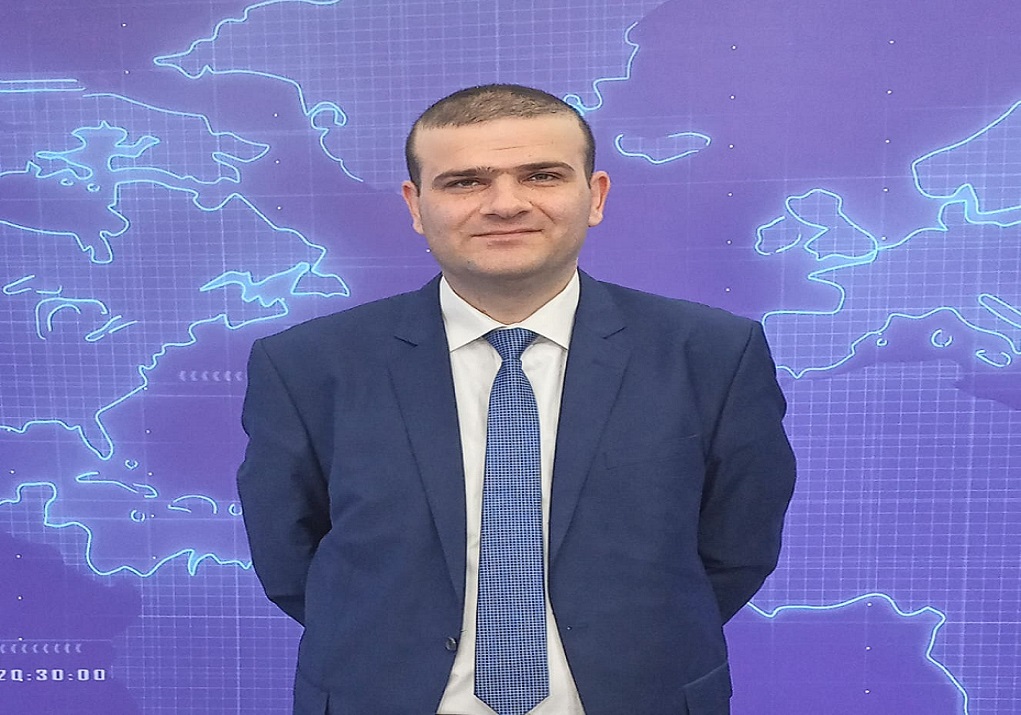
Ünal Üstel
UBP leader and Prime Minister Ünal Üstel, on the other hand, continues his traditional nationalist political line, stating that they reduced costs by holding two elections simultaneously, completed some important projects such as the Girne-Lapta Road, and established close relations with the motherland, Türkiye. UBP members also strongly oppose federation negotiations with the Greek Cypriots and believe that the Greek Cypriots, their historical enemies, can never be trusted.
Besides the CTP and UBP, parties such as the DP, HP, YDP, and the socialist Communal Democracy Party (TDP) are also expected to have a presence in the elections. Serdar Denktaş, son of Rauf Denktaş, who led the DP for many years, founded a new political party last year called the Social Justice and Struggle Party (TAM Party). It is considered almost certain that HP, YDP, and DP will win several parliamentary seats. In particular, Kudret Özersay’s HP is seen as an ideal coalition partner in potential CTP and UBP governments. Erhan Arıklı’s YDP is also expected to join a coalition in a potential UBP government. While no serious polls are available yet, as the election is still a long way off, observations suggest that the CTP has an advantage.
In the small state of the Turkish Republic of Northern Cyprus (TRNC), local elections can be more influential on candidates’ personalities and their connections with the public than on political parties. For example, local politicians like Mehmet Harmancı, who enjoyed significant support during his term as Mayor of the Turkish Municipality of Nicosia even if his party did not receive a very high vote share, can influence election results through their personal qualities. Predicting the outcome of these local elections, in which a total of 18 mayors, 220 municipal council members, 240 village heads, and 960 village elders will be elected, is therefore more difficult and depends on local dynamics.
Conclusion
In conclusion, while the consensus among Turkish Cypriot authorities is that no single party is expected to form a government alone in the general elections, the CTP is more likely to win, building on Erhürman’s momentum and coming in first with a high number of votes. At this point, the UBP’s greatest chance lies in certain moves by mainland Türkiye that could disrupt the electoral balance. My expectation is that the CTP will come to power either alone or in a coalition government with Özersay’s HP. However, since the main authority in the TRNC, apart from conducting the Cyprus negotiations, will rest with the government and the Prime Minister, coming to power could strangely lead to a decrease in CTP’s popular support over time and a loss of votes in subsequent elections. Because as long as Türkiye has economic problems, it is impossible for the TRNC to achieve economic stability. If a solution, or at least a significant stage of progress, is achieved in the Cyprus negotiations through Erhürman, then, of course, the CTP has the opportunity to leave its mark on TRNC politics and monopolize power for many years.
Our wish is that the people of the TRNC make the right choice and once again prove to the whole world that the problems stem from the other side, thereby gaining advantages that will lift the unjust isolation conditions that the Turkish Cypriot people have endured for years.

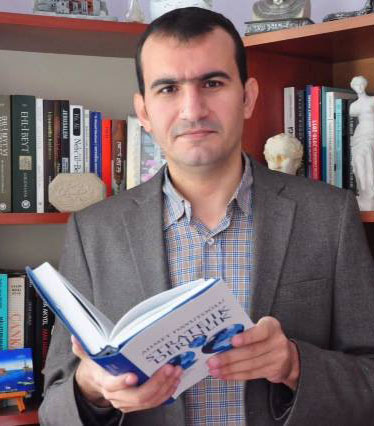
Prof. Dr. Ozan ÖRMECİ